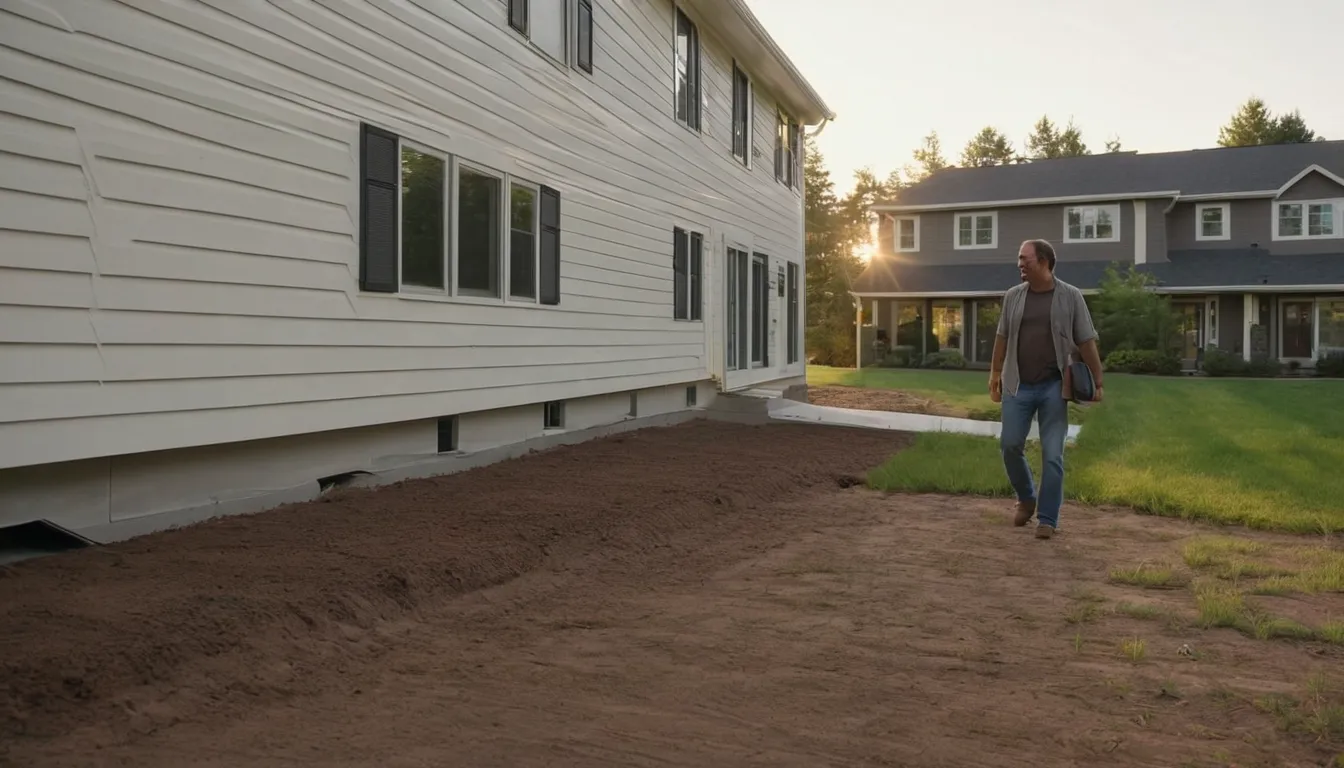
Most people think termite treatment means tenting the house or leaving for a week. In practice, many jobs are done with the family still at home. A provider inspects, finds where the colony is getting in, and treats the soil, the wood, or both.
Banghelped Pest Control is a referral service. We do not do the treatment. We connect homeowners in Duncan and the Duncan area with independent providers in our network. Request a callback to check provider availability, or request an estimate and let a local provider reach out when it suits your schedule.
Think You Have Termites? Start Here
You found something odd. Maybe it was a pile of tiny wings on a windowsill. Maybe it was a thin dirt trail on the foundation. Take a photo, then take a breath. This is common, and it is fixable.
A local provider can confirm what you found. Many can respond quickly, and the first visit is often just an inspection.
Myth: Termites Only Hit Neglected Houses
A lot of people think a clean, well-kept home is safe. In practice, termites do not care how tidy you are. They want moisture, wood, and a way in.
Hot, humid summers and heavy storms keep soil damp around many foundations. That makes the Duncan area friendly ground for them, whether the house is a mill-era classic or a newer build.
Why Waiting Costs More Than Acting
Termites work quietly. They eat wood from the inside, so the surface can look fine while the framing weakens.
Busy weeks make it easy to say, "I will deal with it later." The trouble is that a colony keeps feeding while you wait. A small problem now can become a bigger repair bill later.
Get Started
Warning Signs Worth Checking This Week
You do not need to crawl through the attic. A quick walk around the house and a look in the garage will do.
Mud Tubes
These pencil-width tunnels of dirt run up foundation walls, piers, or crawl-space supports. Termites use them to travel safely.
Swarmers and Shed Wings
Winged termites appear in warm, damp weather. Piles of clear, tiny wings near doors and windows are a strong clue. Flying ants look similar, so let a provider confirm.
Wood That Sounds Hollow
Tap baseboards, door frames, and deck posts with a screwdriver handle. A papery or hollow sound deserves a closer look.
Bubbling Paint and Sticking Doors
Myth: these are always a humidity issue. Sometimes they are. Sometimes hidden moisture and termites are behind them. An inspection settles it.
Know Your Termite Type
The type decides the plan, so providers identify it first.
Subterranean Termites
They nest in soil and travel to the house. They are the most common kind and often show up around slab edges and crawl spaces.
Drywood Termites
They live inside the wood itself. Look for tiny pellets that resemble sand or coffee grounds. Treatment is often targeted at the affected areas.
How Treatment Fits Around Your Routine
Myth: you must pack up and move out. Fact: most treatments are planned around your day, and a provider can explain any prep in advance.
The Inspection Visit
The provider checks the foundation, crawl space, attic, and any wood that touches the ground. Ask for a written summary of what was found and where.
Liquid Barriers and Bait Stations
A liquid treatment creates a protected zone in the soil around the home. Bait stations sit in the yard and let termites carry the product back to the colony. Some homes use both.
Spot Treatments for Drywood
For a small area, a provider may treat the wood directly. Bigger infestations may need a broader plan. Ask which one fits your house.
Buying or Selling a Home
Lenders and buyers often ask for a termite inspection report. It is a short visit, but timing matters, so ask early.
If the report finds activity, treatment and repairs can often be handled before closing. Get everything in writing.
Choosing a Termite Provider
A good provider answers questions plainly. Before you agree to anything, ask:
- Is the license current for your state?
- What exactly will be treated, and with what method?
- Is the quote in writing, with the price and the scope?
- What follow-up visits are included, and how long do they last?
- Is there a written warranty, and what does it cover?
Get more than one quote if you can. Prices and methods vary by provider and by home.
Get Started
After Treatment: Fix, Then Protect
Treatment stops the active problem. Prevention keeps it from coming back.
Control the Moisture
Fix leaky gutters and downspouts. Point sprinklers away from the foundation. Keep crawl-space vents clear and the ground dry.
Keep Wood Away From Soil
Store firewood off the ground and away from the house. Pull mulch back a few inches from siding.
Book a Yearly Check
Most providers suggest an annual inspection. Put it on the calendar once, and it stays off your to-do list. Some policies may cover sudden damage, but termite damage is often excluded, so check your policy.
What's Included
Full Inspection
A provider checks the foundation, crawl space, and attic, then explains what was found in plain words.
Soil Treatment
A liquid barrier can protect the ground around your home from tunneling termites.
Bait Stations
Stations in the yard let termites carry product back to the colony over time.
Follow-Up Checks
Many providers return to confirm the treatment worked and to watch for new activity.
What Termite Treatment Typically Costs
Prices vary by home size, termite type, and how far the problem has spread. These are typical U.S. ranges only. Always ask for a written quote before work begins.
| Service | Typical range | Notes |
|---|
| Termite inspection | $75 – $300 | Often needed for home sales |
| Liquid soil treatment | $800 – $2,500 | Depends on the foundation length |
| Bait station system | $1,200 – $3,000 | Plus monitoring visits |
| Drywood spot treatment | $250 – $900 | For small, local areas |
| Whole-structure treatment | $1,500 – $4,000 | Larger or widespread problems |
| Annual renewal plan | $100 – $400 | Covers yearly checks |
Get Started
How It Works
Reach Out
Request a callback to check provider availability, or fill out the estimate request form.
Get Matched
We connect you with an independent local provider from our network.
Inspection and Quote
The provider checks your home and gives you a written plan and price.
Treat and Protect
Approve the work, then follow the aftercare tips to keep termites away.
Why Call Banghelped Pest Control
Fits Your Busy Week
Many providers can work around school runs and jobs, so treatment does not take over your calendar.
Plain Answers
Get clear explanations of what was found, what is planned, and what it should cost.
Local Providers
Providers in our network know the soil, storms, and homes common in your area.
No Obligation
Request an estimate and decide later. You are never pushed into anything.
Other Services